

Precision and vision for every retina surgeon.
A compact surgical robot that extends what the retina surgeon’s hands can do, in the traditional operating room and in a surgeon’s own practice: retinal surgery without the need for a core vitrectomy, a platform for the next generation of retinal therapies.
From the founder behind the first retinal surgery robot and its exit to ZEISS in 2023.


Beyond the human hand
Better than 10 microns, with the surgeon in control at every step.

New procedures, new therapies
Retinal surgery with no vitrectomy needed; high-precision retinal injections, from anti-VEGF to gene/cell therapies dosed at the target retinal layer.

Compact and portable
Fits any operating room, and small enough to bring retinal surgery into a surgeon’s own practice.

Every surgeon at the highest level
Lowers the skill threshold: a young surgeon without decades of experience operates with the precision of the most experienced, for better patient outcomes.
Sight-saving surgery, limited by the surgeon’s hand, vision and preconceptions.
Hand tremor, the limits of visual perception and the surgeon’s own preconceptions are all documented limits of retinal surgery. Today’s robots have not solved it: fewer than 5 robotic systems are in clinical use worldwide, every one of them room-sized, costing USD 0.5 to 1M and more, and all of them still need a vitrectomy to reach the retina. VSS aims to do without.
RETINAL DISEASE AND RETINAL SURGERY KEEP GROWING
196M → 288M
people with age-related macular degeneration worldwide, 2020 to 2040.
1.5 M
retinal surgeries a year in the United States alone, every one of them performed by hand.
RETINA SURGEONS CANNOT FOLLOW
retina specialists in the United States to perform them: roughly 450 surgeries per specialist per year, and the number of specialists is not keeping pace.
3,000 to 3,500
ophthalmologists per million people in low-income vs high-income countries; retina surgeons are a small fraction of these, and even the US projects a 30% ophthalmologist shortfall by 2035.
4 vs 76
AND THE HAND SETS THE LIMIT
•Precision. Natural tremor and years of training set the ceiling; the skill set is limited to a few highly practised retina specialists.
•Consistency. Outcomes vary with the surgeon’s hand, and new gene and cell therapies need a delivery route no hand can repeat reliably.
•Access. Retinal surgery happens in a few surgical centres; where there is no retina specialist, treatable disease goes untreated.

A compact dual-arm robot
Compact dual-arm system
Two arms for bimanual work, with external or instrument-based visualisation, adapted to the procedure.


Better than 10 microns
Tremor filtering, motion scaling, and force and position limits that protect the retina.
The surgeon decides
Teleoperated from a console in the same room, at the patient’s head or at a distance, with semi-autonomous functions and real-time multimodal imaging integrated in the workflow.


Sensing instruments
Proprietary instruments with sensor and haptic feedback extend the range of procedures and lay the ground for later AI guidance.

Our Development Partner:
Combining clinical expertise and robotics engineering to advance retinal surgery.

VSS is proud to partner with Kaleidoscope Innovation, based in Cincinnati, Ohio, USA to bring extensive experience in medical device design, surgical robotics and product development.
The collaboration brings together Kaleidoscope’s engineering and product development capabilities with the deep ophthalmic expertise of the VSS team to address the unique technical challenges of retinal surgery and advance precision, control and consistency in the operating room.

Our Team
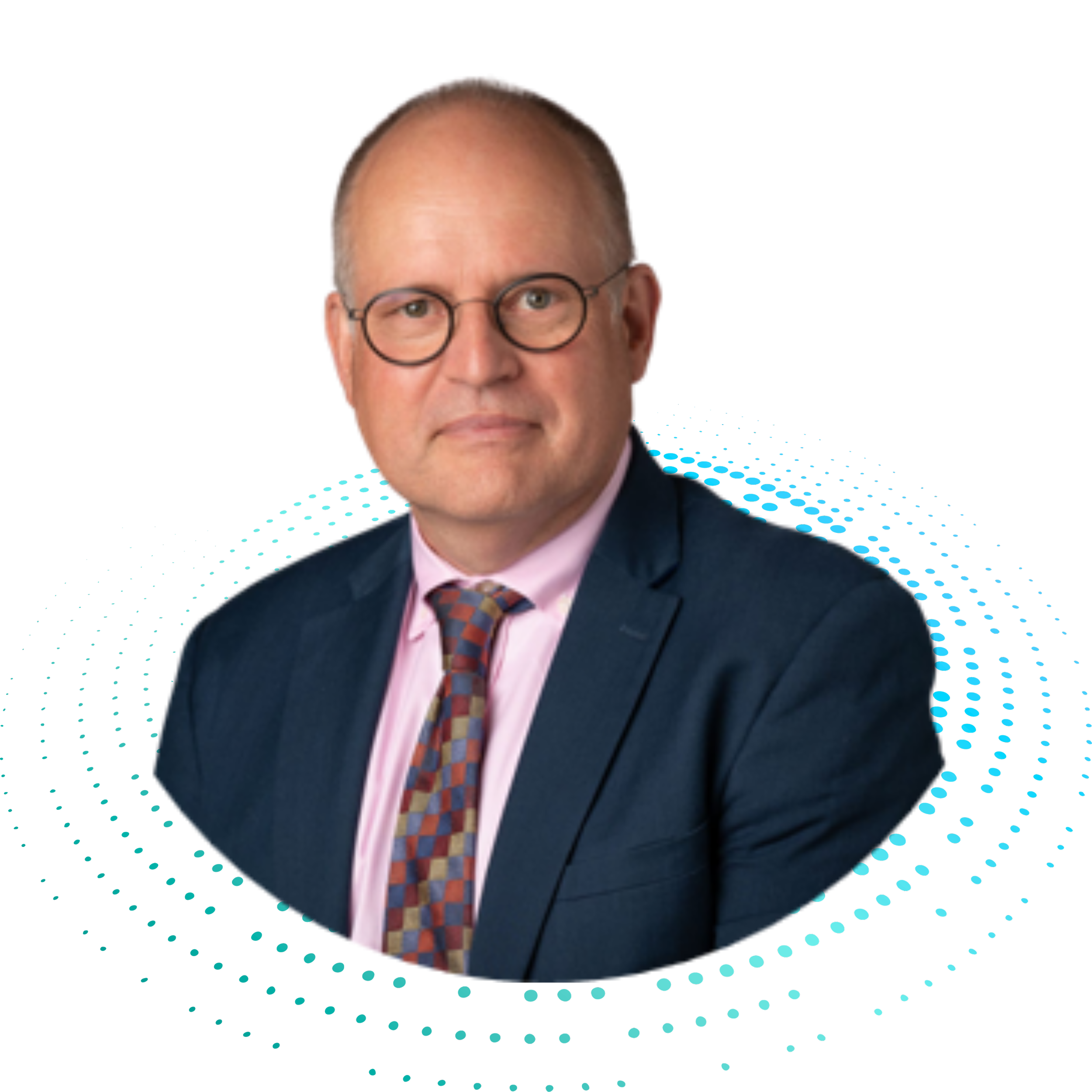
Marc de Smet MD, PhD
Founder and CEO
Practising MD, retinal and cataract surgeon.
Founder and CMO of Preceyes: first robot-assisted retinal surgery in a human, four human trials, sold to ZEISS in 2023 (EUR 42M).
Built the first prototype retinal surgery robot with TU Eindhoven (2006 to 2012).
Co-chair, CCOI robotics committee; CMO and advisor to Oxular and Tarsier.
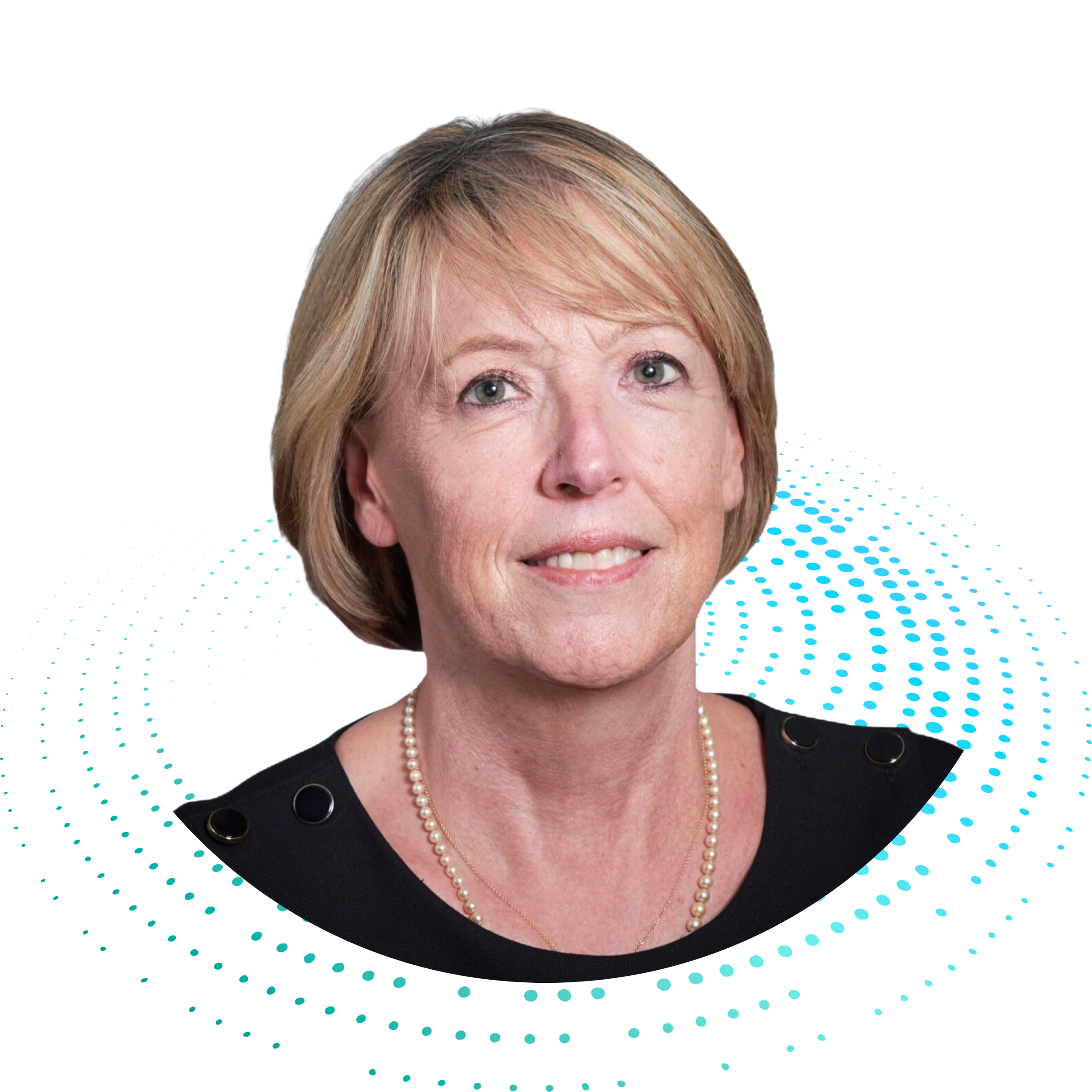
Patricia Zilliox PhD
Co-founder
Former CEO and President of Eyevensys (non-viral gene therapy for retinal disease).
Chief Drug Development Officer, Clinical Research Institute of the Foundation Fighting Blindness (philanthropic venture capital).
Head of clinical development at Alcon Laboratories, 1998 to 2011;
Board member and advisor to ophthalmic biotechs.

Bryan Robb MBA
Co-founder
Business development at AC Immune: due diligence on transactions including a USD 2.1B licensing deal.
Biotech venture capital analyst at VC (USA).
In vivo research in retinal disease; biochemistry and molecular biology; MBA, corporate finance.
Contact
Feel free to contact us with any questions.
Email
contact@visiosurgicalsolutions.com